

Repair or Replace Your Small Engine? 7 Signs to Check Before Winter
Posted by Carroll Stream Motor Company on 16th Oct 2026
As October turns into December, outdoor equipment faces an important transition. Lawn mowers and landscaping equipment are wrapping up another busy season, while generators, snow blowers, and other winter equipment are getting ready for the colder months ahead. But what happens when your engine starts showing signs of trouble?
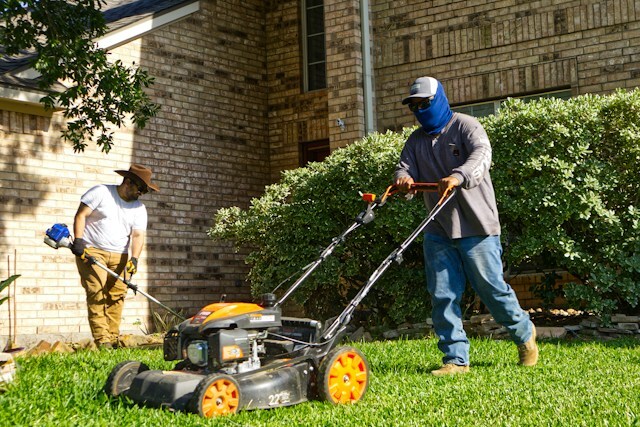
Maybe your lawn mower has become difficult to start. Your generator is running inconsistently. Or your commercial equipment is consuming more oil than usual.
These issues raise an important question: Is it better to repair a small engine or replace it entirely?
The answer depends on the engine's condition, repair costs, age, and the equipment it powers. At Carroll Stream Motor Company, we help customers find replacement engines and OEM parts for a wide range of residential, commercial, and industrial applications.
Before spending money on another repair or investing in a new engine, consider these seven warning signs.
1.) Your Engine Is Becoming Difficult to Start
A small engine that takes several attempts to start may be showing early signs of trouble.
a.) Old or contaminated gasoline
b.) A clogged carburetor or fuel filter
c.) Worn or fouled spark plugs
d.) Battery or starter problems
If the problem involves a spark plug, fuel filter, battery, or carburetor that can be serviced, repairing the existing engine may be relatively straightforward.
When to consider replacement? If starting problems are caused by substantial internal engine wear or severe mechanical damage, replacing the engine may be more economical.
As colder weather approaches, identifying starting problems early is especially important for equipment that must operate throughout winter.
2.) Your Engine Is Losing Power Under Load
Does your engine start normally but struggle when the equipment begins working? You might notice a lawn mower slowing down in thick grass, a generator failing to maintain expected performance, or a log splitter struggling through demanding jobs.
Loss of power can result from restricted airflow, fuel delivery problems, incorrect engine speed, excessive equipment load, or internal mechanical wear.
Start with basic maintenance and troubleshooting. Check the air filter, fuel system, and equipment components that may be placing unnecessary strain on the engine. An engine that cannot consistently deliver the power required for its application may be a candidate for replacement, particularly when internal repairs become expensive.
3.) Your Engine Is Burning Excessive Oil or Producing Unusual Smoke
Some exhaust vapor can be normal during certain operating conditions, but persistent smoke deserves attention. Different symptoms may indicate different problems:
a.) Persistent blue smoke
Oil entering the combustion chamber
b.) Black smoke
Excess fuel or insufficient airflow
c.) Persistent white smoke
Possible oil burning or, on liquid-cooled engines, coolant-related issues
d.) Frequent oil loss
Leaks, internal wear, or other lubrication problems
Smoke color alone cannot confirm a diagnosis. Engine design and operating conditions matter. External oil leaks, clogged air filters, and certain fuel-system issues may be repairable without extensive work.
When to replace? Significant cylinder wear, damaged pistons, or other major internal problems can make an engine replacement more attractive. Never continue operating an engine that is running dangerously low on oil or showing signs of serious internal damage.
4.) You're Constantly Paying for Repairs
One of the clearest signs that an engine may need replacement is a growing repair bill. Consider the cost of replacing a carburetor, repairing an ignition problem, addressing oil leaks, and then discovering that another major component needs attention.
Individually, some repairs may be reasonable. Together, they can become a substantial investment in an aging engine. We like to ask ourselves:
How much have I spent on repairs over the past year?
Are the same problems returning?
Will another repair provide dependable long-term operation?
How much does a compatible replacement engine cost?
What is the value and condition of the equipment itself?
For commercial operators, the cost of downtime is another important consideration. Equipment that repeatedly breaks down can delay jobs, disrupt schedules, and increase operating expenses. Repair the engine when the problem is isolated and the rest of the engine is healthy. Consider replacement when major repair costs approach the total cost of a compatible replacement engine and installation.
5.) Your Engine Has Developed Knocking, Vibration, or Mechanical Noise
An engine that suddenly becomes louder or develops an unusual knocking sound should not be ignored. Possible causes include loose equipment components, damaged pulleys, mounting problems, or internal engine damage.
A damaged connecting rod or crankshaft bearing, for example, can require extensive mechanical repairs. Not every vibration or unusual noise means the engine itself has failed. The equipment attached to the engine may be responsible.
Important: Shut down equipment experiencing severe knocking, sudden vibration, or other signs of mechanical failure until the cause has been identified.
6.) Replacement Parts Are Becoming Difficult to Find
Even an otherwise repairable engine can become challenging to maintain when essential components are unavailable. Older engines may have discontinued parts, limited aftermarket alternatives, or replacement components that are difficult to identify.
This can create long repair delays, particularly for equipment that relies on a specific engine configuration. Carroll Stream Motor Company supplies engines and replacement parts across several established brands, including Kawasaki, Briggs & Stratton, Honda, Kohler, Rehlko, and Carroll Stream's Rhino engine line.
When parts availability becomes a recurring problem, upgrading to a supported engine may provide a more practical long-term solution. Before ordering, always identify the complete engine model and specification number to determine whether appropriate parts or compatible replacement options exist.
7.) Your Equipment Is Still in Great Condition, but the Engine Isn't
Sometimes the most compelling reason to replace an engine is the condition of the equipment surrounding it. Consider a commercial zero-turn mower with a reliable hydraulic system, solid frame, functioning mower deck, and well-maintained controls.
If the engine fails, replacing the entire mower may be unnecessary. The same consideration applies to certain pressure washers, generators, pumps, log splitters, and other engine-powered equipment. Replacing an engine while keeping the existing machine is often called repowering.
Repowering can extend the useful life of equipment when a compatible engine is available and the installation costs make financial sense. However, the equipment's overall condition matters. A new engine will not repair worn transmissions, damaged frames, failing pumps, or other major problems.
| Situation | Repair may be better | Replacement may be better |
|---|---|---|
| Dirty carburetor or clogged filter | ✓ | |
| Worn spark plug or minor ignition problem | ✓ | |
| Small, repairable oil leak | ✓ | |
| Serious internal engine damage | ✓ | |
| Repeated costly mechanical failures | ✓ | |
| Parts no longer reasonably available | ✓ | |
| Healthy equipment with a failed engine | ✓ | |
| Equipment with several major failures | Evaluate replacing the entire machine | Evaluate replacing the entire machine |
How to Choose the Right Replacement Engine
Once you've determined that replacing the engine makes sense, the next step is finding one that fits your equipment. One of the biggest mistakes buyers make is selecting an engine based only on horsepower. Two engines with identical horsepower ratings may have completely different installation requirements.
Before purchasing a replacement engine, verify:
Engine model and specification number: Record the complete information from your current engine, including any model suffixes or configuration codes.
Horizontal or vertical shaft: The replacement must match the power-output orientation required by the equipment.
Crankshaft dimensions: Check the shaft diameter, usable length, keyway, and mounting threads.
Mounting configuration: Verify the bolt pattern, engine footprint, and available clearance.
Horsepower and operating speed: Match the equipment manufacturer's requirements rather than assuming that more horsepower is always better.
Starting and electrical systems: Confirm compatibility with electric starters, recoil starters, charging systems, and electrical connections.
Additional components: Verify mufflers, fuel systems, pulleys, couplers, controls, and other application-specific hardware.
Remember that a replacement engine is not automatically a direct bolt-in replacement, even when its horsepower and engine family match. Always follow the equipment manufacturer's storage, maintenance, and operating instructions.
Frequently Asked Questions About Small Engine Replacement
Is it cheaper to repair or replace a small engine?
Minor repairs, such as replacing spark plugs, filters, or certain fuel-system components, are often less expensive than purchasing a new engine. Major internal repairs can be substantially more costly. Compare the full repair estimate with the replacement engine price, installation costs, and condition of the equipment.
Can I replace a small engine with a different brand?
Sometimes. A replacement engine from another manufacturer may work if its mechanical, dimensional, electrical, and performance specifications are compatible with the equipment. Brand cross-references alone do not guarantee fitment.
Does a replacement engine need the same horsepower?
The replacement should meet the equipment manufacturer's power and operating requirements. Matching horsepower is important, but shaft dimensions, operating speed, mounting configuration, torque characteristics, and other specifications also affect compatibility.
What information do I need when buying a replacement engine?
Have your existing engine's complete model and specification number, equipment make and model, crankshaft dimensions, mounting information, and starting-system requirements available. Photos of the engine identification label and installation can also help.
Is it worth replacing an engine on an older lawn mower?
It can be, especially when the mower deck, frame, transmission, and other major components remain in good condition. Compare the cost of repowering with the mower's overall value and expected service life.
Find the Right Engine or OEM Parts at Carroll Stream Motor Company
Whether you're repairing a small engine, preparing equipment for winter, or planning a complete engine replacement, choosing the right components matters. Carroll Stream Motor Company offers a wide selection of replacement engines, OEM parts, and accessories for residential, commercial, and industrial equipment.
Explore our replacement engines or use our online Part Finder to begin identifying the parts and specifications you need. Keep your equipment working and make your next repair or replacement decision with confidence.